
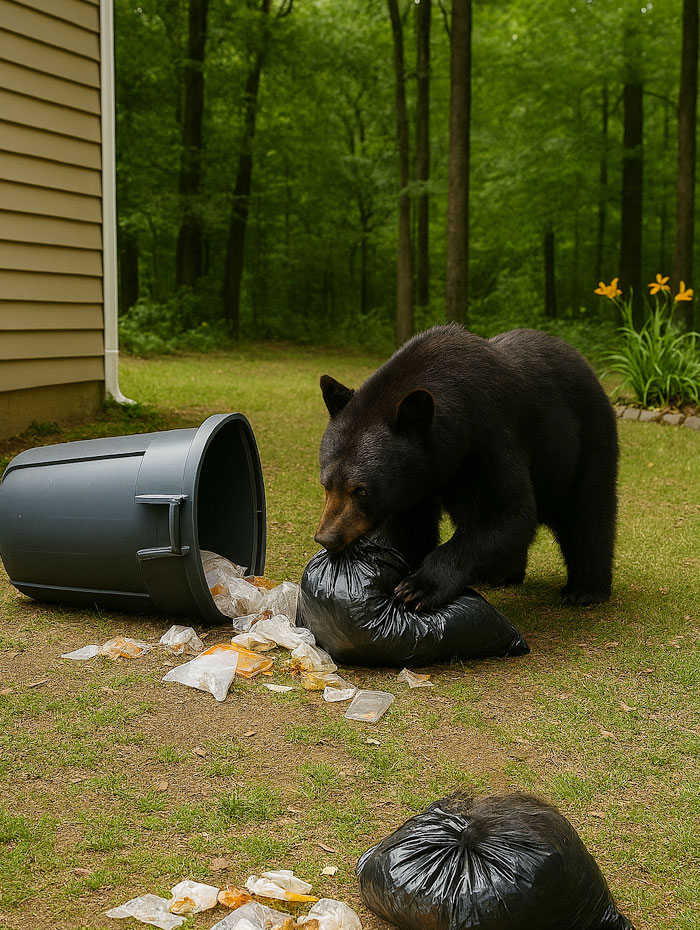
8 Common Mistakes People Make With Outdoor Trash Storage — And How to Prevent Them
A practical guide to safely and securely store trash cans outside.
Outdoor trash storage may seem straightforward—until weather, wildlife, and odors turn a basic routine into a recurring problem. From bears and raccoons to windstorms and neighborhood regulations, small oversight can lead to big issues: scattered trash, wildlife encounters, property damage, and even fines.
This guide covers the top 10 mistakes people make with outdoor trash storage and offers practical ways to prevent them using durable, wildlife-resistant solutions.
1. Using Standard Plastic Cans in Wildlife-Heavy Areas
Basic store-bought trash cans are often designed for convenience, not durability. In areas with wildlife activity, animals can chew through thin plastic or force open unsecured lids.
Why It’s a Problem
- Wildlife can smell food from long distances.
- Lightweight cans tip or open easily.
- Thin plastic cracks in cold or harsh weather.
Better Approach: Choose wildlife-resistant trash cans made from reinforced materials with locking lids and secure hardware. These are designed to withstand chewing, clawing, and heavy impacts.
2. Leaving Lids Unlocked or Partially Open
Even a small gap allows odors to escape and invites curious animals. Many people leave lids unlatched for convenience, creating easy access for wildlife.
Why It’s a Problem
- Bears and raccoons can open unsecured lids with one swipe.
- Odors escape more easily.
- Rain and snow enter, creating soggy, messy trash.
Better Approach: Use cans with secure, user-friendly locking systems that only open when intended—keeping animals out and ease-of-use intact for residents and waste haulers.
3. Using Lightweight Cans That Tip Over in the Wind
Windstorms, vehicles, and even pets can knock over lightweight cans, scattering trash across driveways or streets.
Why It’s a Problem
- Litter attracts animals.
- Leads to neighborhood complaints.
- May result in municipal fines.
Better Approach: Opt for weight-stabilized or anchored storage units with heavy-duty construction to prevent tipping during strong winds or bad weather.
4. Putting Trash Out Too Early
Setting trash out the night before pickup is a common mistake that increases wildlife activity.
Why It’s a Problem
- Animals are most active at night.
- Odors linger longer before collection.
- Greater chance of morning messes.
Better Approach: If collection times are early, use lockable outdoor enclosures for overnight storage to keep waste secure until pickup.
5. Not Cleaning Cans and Using Bags That Leak or Tear Easily
Thin bags can puncture or rupture, allowing odors to escape and attracting animals. Even when emptied, residue and lingering odors can attract wildlife.
Why It’s a Problem
- Liquids and scents draw wildlife.
- Cleanup becomes messy and unsanitary.
- Leaks contribute to bacterial growth.
- Wildlife can detect old scents long after trash is gone.
- Bacteria and mold develop quickly.
- Unpleasant smells persist around your property.
Better Approach: Use thick, tear-resistant trash bags paired with sealed cans or enclosures to contain odors and minimize exposure. And choose containers with smooth, easy-clean interiors and periodically wash them with mild detergent or vinegar. Liners can also reduce residue buildup.
6. Storing Pet Food or Feed Outdoors
Pet food, birdseed, and livestock feed are among the top wildlife attractants—and are often stored too close to garbage areas.
Why It’s a Problem
- Bears, raccoons, and rodents target feed aggressively.
- Bags are easily chewed or torn.
- Spilled food creates ongoing attractants.
Better Approach: Use airtight, wildlife-resistant containers for pet and livestock feed. Screw-top or locking lids help prevent odor leaks and animal access.
7. Using Improper Compost Storage
Open compost piles or unsecured bins are irresistible to scavengers.
Why It’s a Problem
- Fruit and food waste attract bears and raccoons.
- Loose compost can be scattered easily.
- Odors spread quickly across larger areas.
Better Approach: Compost responsibly using animal-resistant compost bins with locking lids and ventilation that maintains airflow while keeping wildlife out.
8. Ignoring Local Regulations or HOA Requirements
Many municipalities in wildlife-prone areas have laws requiring secure or animal-resistant trash systems.
Why It’s a Problem
- Violations can lead to costly fines.
- Non-compliance contributes to wildlife conflicts.
- HOAs may require specific designs or enclosures.
Better Approach: Check with your local waste management office or HOA for approved wildlife-resistant systems that meet required standards.
Final Thoughts: Keep Trash Secure, Homes Safe, and Wildlife Wild
Most outdoor trash issues stem from one root cause: using storage methods not designed for wildlife, weather, or durability. Choosing wildlife-resistant containers and smart storage practices helps protect your home, community, and local ecosystems.
Good storage isn’t just about convenience—it’s about safety, responsibility, and lasting peace of mind.